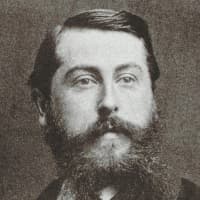
Léo Delibes
Romantic · 1836–1891
Léo Delibes spent his whole working life in the theaters of Paris. Born in 1836 in the village of Saint-Germain-du-Val, he came to the city as a boy, sang in a church choir, and worked his way up through jobs as an organist and rehearsal accompanist before his stage works began to land.
Two of them have never left the repertoire. Coppélia, from 1870, is a comic ballet about a life-size mechanical doll so convincing that a village boy falls for her. Lakmé, an opera from 1883 set in British India, contains the Flower Duet, two soprano voices twining together in music that countless people know from films and advertisements without knowing its name. Tchaikovsky, no small judge of ballet, openly admired Delibes's dance scores.
Start with the suite from Coppélia, then the Flower Duet and Bell Song from Lakmé.
17 works in the catalog, across 3 genres. Log what you listen to with Opus, the classical music journal for iPhone.
Orchestral
- Coppélia Suite from the ballet
- Le Roi s'amuse, 6 airs de danse dans le style ancien
- Sylvia Suite from the ballet
Stage
- Lakmé Opera
- Coppélia, ou La fille aux yeux d'émail Ballet
- La source, ou Naïla
- Le roi l'a dit Opera
- Sylvia, ou La nymphe de Diane Ballet
- Valse, ou Pas de fleurs
Vocal
- Bonjour, Suzon! Song
- Le Rossignol Song
- Les abeilles, for chorus
- Les filles de Cadix
- Les norvégiennes, for female chorus and piano
- Les nymphes des bois, for female chorus and piano
- Les pifferari, for chorus
- Viens, Une Flute Song
Related composers


Keep a listening journal.
Opus is free on the App Store.