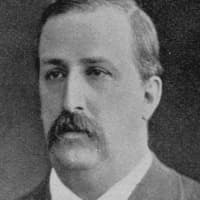
Alexander Borodin
Romantic · 1833–1887
Alexander Borodin composed on weekends. His day job was chemistry: he was a professor at the Medical-Surgical Academy in St. Petersburg, where he ran a laboratory, published real research, and championed medical education for women. Music got whatever hours were left, which is why his catalog is small and why his opera Prince Igor was still unfinished when he died in 1887.
He belonged to the circle of Russian composers known as the Mighty Handful, mostly self-taught nationalists who wanted a Russian sound rather than a German one. Borodin's version of it is warm and generous, full of long melodies; decades later, several were borrowed wholesale for the Broadway musical Kismet.
Start with the Polovtsian Dances from Prince Igor, then the String Quartet no. 2 in D, whose slow movement carries one of his most familiar tunes.
33 works in the catalog, across 5 genres. Log what you listen to with Opus, the classical music journal for iPhone.
Chamber
- String Quartet no. 2 in D
- Cello Sonata in B minor
- Piano Quintet in C minor
- Piano Trio in D
- Scherzo in D for String Quartet
- String Quartet no. 1 in A
- String Quintet in F minor
Keyboard
- Hélèné, polka in D minor
- Petite Suite
- Scherzo in A flat major
- Tarantella in D
Orchestral
- In the Steppes of Central Asia
- Polovtsian Dances From the opera "Prince Igor"
- Symphony no. 2 in B minor
- Symphony no. 1 in E flat major
Stage
- Prince Igor Opera
Vocal
- Arabskaya melodiya
- Chto tï rano, zoren'ka
- Dlya beregov otchiznï dal'noy
- Fal'shivaya nota
- Iz slyoz moikh
- Krasavitsa-rïbachka
- More
- Morskaya tsarevna
- Otravoy polnï moi pesni
- Pesnya tyomnogo lesa
- Razlyubila krasna devitsa
- Romance, for baritone and orchestra
- Septain or Chudnïy sad
- Slushayte, podruzhen'ki, pesenku moyu
- Spes'
- Spyashchaya knyazhna
- U lyudey-to v domu, for voice and orchestra
Related composers


Keep a listening journal.
Opus is free on the App Store.