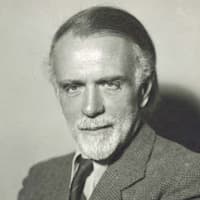
Zoltán Kodály
20th Century · 1882–1967
Zoltán Kodály spent his early summers walking through Hungarian villages with a phonograph and notebook, recording folk songs before they disappeared, often alongside his friend Béla Bartók. Those thousands of melodies fed his music for the rest of his life, and unlike Bartók he stayed in Hungary through war and dictatorship, becoming a national institution.
He was as much an educator as a composer. His conviction that every child could learn music through singing grew into the Kodály method, still used in schools around the world.
Start with the suite from Háry János, his opera about an old soldier who spins tall tales, which opens with an orchestral sneeze: Hungarian custom holds that a story preceded by a sneeze must be true. Then hear the Dances of Galánta, built on tunes from the town where he spent part of his childhood.
83 works in the catalog, across 5 genres. Log what you listen to with Opus, the classical music journal for iPhone.
Chamber
- Sonata for Solo Cello, op. 8
- Adagio, for violin and piano
- Capriccio for Cello
- Duo for Violin and Cello, op. 7
- Gavotte for 3 Violins and Cello
- Hungarian
- Romance lyrique, for cello and piano
- Serenade, for 2 violins and viola, op. 12
- Sonata for Cello and Piano, op. 4
- Sonata Movement, for cello and piano
- Sonatina for Cello and Piano
- String Quartet no. 1, op. 2
- String Quartet no. 2, op. 10
Keyboard
- Dances of Marosszék
- 7 Pieces for Piano, op. 11
- 9 Pieces for Piano, op. 3
- 24 Kis kanon a fekete billentyukon, for piano
- Gyermektancok
- Meditation sur un motif de Claude Debussy
- Organoeida ad missam lectam, for organ
- Prelude for Organ
- Valsette, for piano
Orchestral
- Concerto for Orchestra
- Dances of Galánta
- Háry János, suite from the opera
- Variations on a Hungarian folksong, 'The Peacock'
- Ballet Music, "Dance of the Dragoons' omitted from 'Háry János"
- Summer Evening
- Symphony in C
- Theatre Overture
Stage
- Háry János, op. 15 Opera
- Szekely fono, operatic folk-ballad in one act
Vocal
- Psalmus Hungaricus, oratorio for tenor, chorus, children's chorus ad lib, orchestra, and organ, op. 13
- 2 Drinking songs, for male chorus
- 2 Zoborvideki nepdal, for chorus
- 4 Madrigali, for chorus
- 6 Trefas kanon, for chorus
- 7 Konnyu gyermekkar
- 8 Little Duets, for soprano, tenor and piano
- 150. genfi zsoltar, for chorus
- Adventi ének
- Angyalok es pasztorok, for chorus
- An Ode for Music, for chorus
- Arva vagyok, for chorus
- Budavári te Deum, for soloists, chorus, orchestra and organ ad lib.
- Ciganysirato, for chorus
- Cohors generosa, for chorus, for chorus
- Csalfa sugar, for chorus
- Dal, for chorus
- Egyetem-begyetem, for chorus
- Enek Szent Istvan kiralyhoz, for chorus
- Este, for soprano and chorus
- Esti Dal, folksong for high voice or mixed or male chorus
- Felszállot a páva, folksong for male or mixed chorus
- Geneva Psalm 114, for chorus and organ
- Geneva Psalm 121, for chorus
- Gergelyjárás, for high voice chorus
- Golya nota, for chorus
- Hegyi ejszakak, for chorus
- Horatii Carmen II. 10, 'Rectius vives', for chorus
- Hungarian Folk Music, 62 folksongs for voice and piano
- Janos koszonto, for chorus
- Jézus és a kufárok
- Lengyel lászló, for high voice chorus
- Liszt ferenchez, for chorus
- Media vita in morte sumus, for chorus, "Homo perpende fragilis"
- Meghalok, meghalok, for chorus
- Mez, mez, mez, for chorus
- Missa Brevis, for soloists, chorus and organ
- Mátrai képek
- Norvég leányok, for chorus
- Pange lingua, for chorus
- Pünkösdölo, for high voice chorus, "Whitsuntide"
- Stabat mater, for chorus
- Székely keserves, folksong for chorus
- Tancnota, for chorus
- The Music Makers, an Ode, for chorus and orchestra
- Táncnóta, for high voice chorus
- Túrót eszik a cigány, folksong for female chorus or mixed chorus
- Uj esztendot koszonto, for chorus
- Vejnemojnen uzsikal, for chorus
- Vizkerestz, for chorus
- Öregek, for chorus, "The aged"
Related composers


Keep a listening journal.
Opus is free on the App Store.